

Your credit score is a big part of your financial life. Many lenders use FICO® Scores, which are based on information from the three major credit bureaus: Experian, TransUnion, and Equifax. Since each bureau maintains its own records, your score may vary slightly.
FICO Scores typically range from 300 to 850, and higher scores may help you qualify for better loan terms. It's also important to remember that your credit score is just one piece of the puzzle. Lenders often consider other factors, such as your income, employment history, debt, and the amount you want to borrow.
How credit scores are calculated
Calculating your credit score comes down to five important areas of your credit history:
- Payment history: Shows how you've managed past credit payments, including whether your accounts were paid on time. Late payments and other negative credit events may affect your score.
- Credit usage: Your credit usage reflects how much of your available credit is being used compared to the total amount available to you.
A good rule of thumb is to keep your credit card balances low and aim to use no more than 20–30% of your available credit limit. For example, if you have two credit cards with a $1,000 limit on each, try to keep your total balance between both cards at $400–$600 or less.
- Length of credit history: Considers the age of your accounts, including both your oldest and newest accounts. Keeping older accounts open may help maintain a longer credit history, while opening new accounts can lower the average age of your accounts.
- Credit mix: Looks at the different types of credit you have, such as credit cards, mortgages, and installment loans. A mix of credit accounts can demonstrate your ability to manage different types of borrowing responsibly.
- Recent activity: Considers whether you’ve recently applied for or opened new credit accounts. Keep in mind that opening multiple new credit accounts in a short amount of time may lower your credit score.
Some factors that do not impact your credit score include your age, income, employment status, bank account balances, and marital status.
Understanding the difference between soft and hard credit inquiries
Soft inquiry:
- Provides a quick look at your credit information, such as viewing your credit score or credit report.
- Soft inquiries do not negatively impact your credit score.
Hard inquiry:
- Used when applying for new credit, such as an auto loan, mortgage, or credit card.
- Provides a detailed look at your credit history, including account openings, payment history, and remaining balances.
- Hard inquiries may have a small impact on your credit score. However, credit scoring models often treat multiple inquiries made while shopping for an auto, mortgage, or student loan as a single inquiry.
Important information to know about how your credit accounts affect your credit score:
- Before applying for new credit, take time to compare your options and understand the lender, interest rates, terms, fees, and any benefits that come with the account.
- The information listed on your credit report changes over time. Negative information typically remains on your credit report for up to seven years, while positive account history may remain longer. Keep in mind that not all lenders report account activity to the credit bureaus.
The nationwide credit bureaus currently allow consumers to obtain a free credit report from each bureau once per week through AnnualCreditReport.com, making it easier to regularly review your credit information and monitor for errors or suspicious activity.
Looking to improve your credit score? Follow these steps to manage your accounts responsibly and work toward improving your credit rating over time.
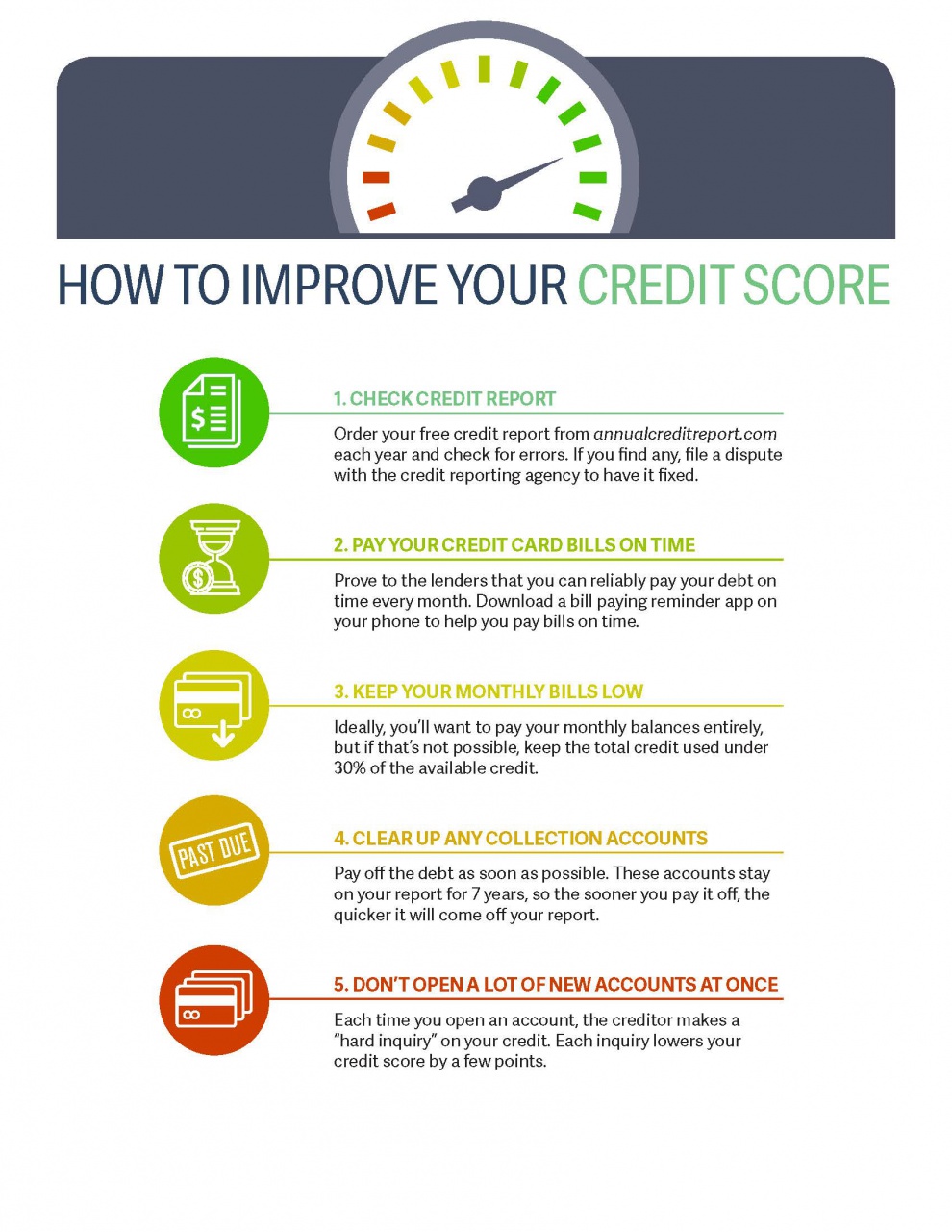
Our partners at GreenPath Financial offer CEFCU members free tools and educational resources, including a brief 10-minute course on credit score basics. Visit the GreenPath Credit Report Review to access additional resources and learn more.


