

Ever checked your account balance and thought “Where did all my money go?” You’re not alone:

- Total debt of all U.S. households stood at $18.3 trillion in the 2nd quarter of 2025, according to the Federal Reserve Bank — a 50% increase in the last decade.
- Inflation continues to challenge household budgets.
- Roughly 75% of Americans use budgets, but many admit they struggle to stick to them.
A well-structured budget doesn’t have to be about cutting back on everything. Instead, it’s about reducing stress by gaining control of your money and your spending. The challenge is working with what you have, making a plan that fits your reality, then taking small steps in stages to reach your goals.
Stage One:
- Gather documents like checking and savings account statements, bills, and income records.
- Sort your spending into needs and wants. Focus on your essential needs, like housing, food, transportation, and bills.
- Begin to track your daily spending. Include all cash, debit, and credit card transactions. If writing down every dollar feels overwhelming, that can be a good sign; it could mean you’re spending way more than you realize. So, start small — noticing where funds disappear fastest.
-
Use the free online budgeting tools available through CEFCU’s mobile banking ap to make things easier. It can help you create a budget, track spending, and more — all linked to your CEFCU account(s).
Stage Two:
- After a week of tracking your spending, explore how to make small changes. Maybe cook one or two extra meals a week instead of eating out, or bring coffee from home
instead of the local shop.
- Then, set realistic goals. Start with one, like reducing spending by $50 each week, or saving an extra $100 each month. When you reach that first goal, set another goal, and then another.
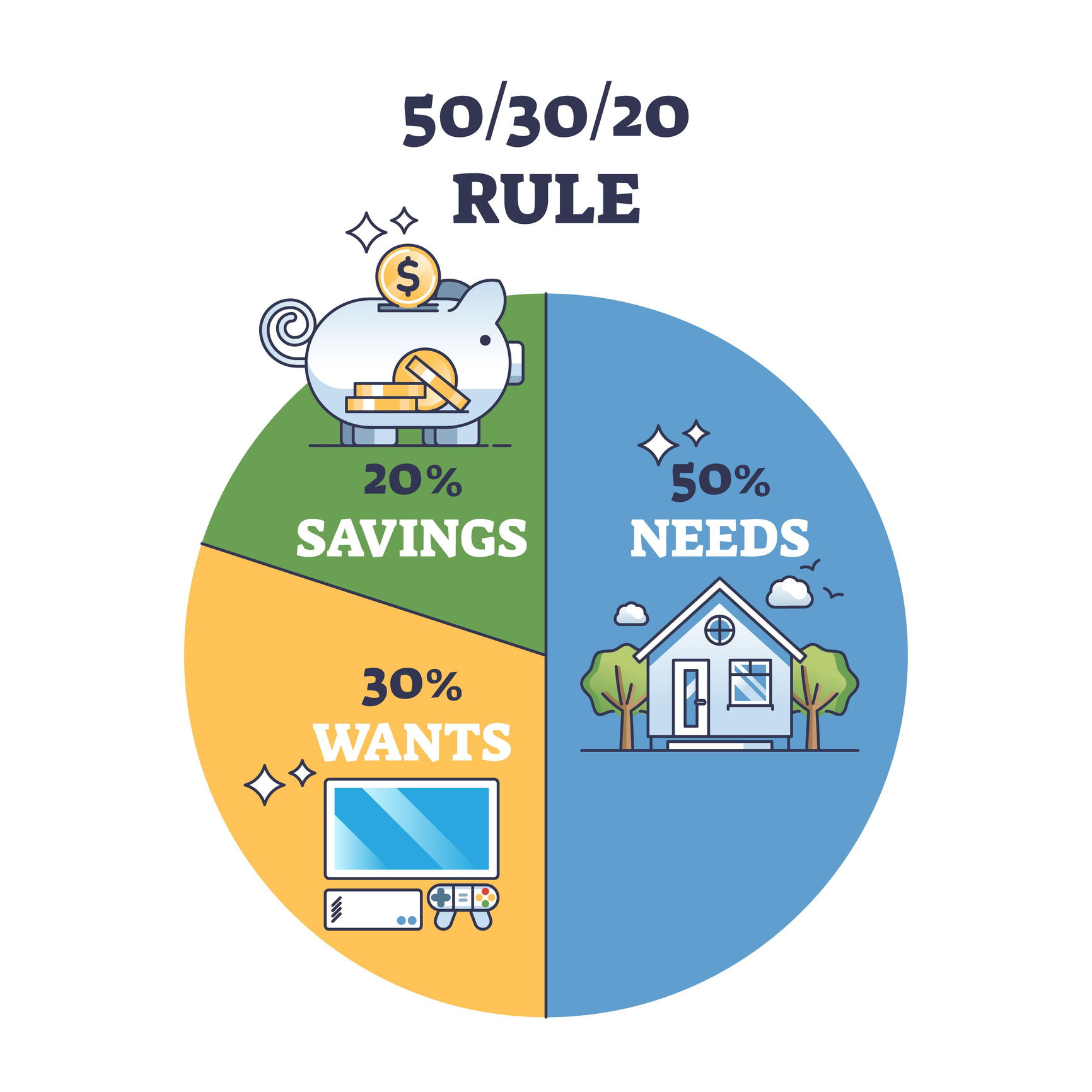
- Use a budgeting style that fits your situation. Some people prefer the 50/30/20 rule, while others prefer the Zero Balance based approach.
Stage Three:
- Adjust your spending after a few weeks, or even a few days. Accept that you won’t achieve perfection at first, so look at making several small changes to stay on top of your spending.
- Create an emergency fund if you don’t already have one. Set aside some money from every paycheck. Your goal is to have three to six months of living expenses saved.
- Consider automating, even if it’s just setting reminders to pay bills on time. Some people find routines or automatic payments can help.
- Re-evaluate and adjust again. If your first plan didn’t work 100%, that’s normal. Make adjustments and keep moving forward. Consider some small downgrades, like switching to a cheaper phone plan, buying generic instead of name brand items, or selling items you no longer use or need.
Be sure to celebrate your progress along the way as you continue making improvements!

Remember that you don’t have to budget alone — connect with our partners at GreenPath. They provide free financial counseling, with certified counselors available to assist you, no matter what your personal situation.


