

Bottom line:
- A debit card allows you to pay for things using the money in your checking account.
- Using a debit card to pay for everyday purchases and take out money from an ATM is how most people use their checking account day-to-day.
- Your credit union or bank mobile app makes it easy to see and track the money in your checking account — both what you’re spending and any payments you schedule.
Using a checking account day-to-day can mean a few things. Many people use a debit card — which is tied to a checking account — to pay for everyday expenses like groceries, dining out, subscriptions, and filling up the gas tank. Taking out money from an ATM is another common reason people use their checking account.
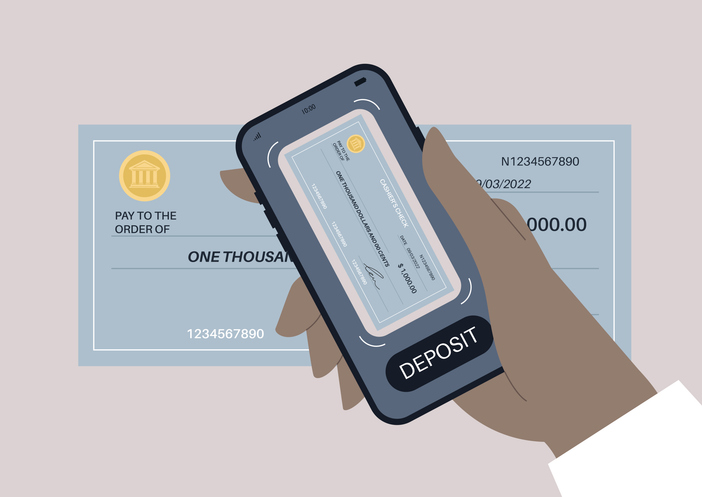
Thanks to mobile banking apps, it’s no longer necessary to go to the bank or credit union to deposit a check, check your account balance, transfer money, or make a loan payment.
Some people write physical checks, too, though once you’ve connected your debit card to your mobile digital wallet, it creates a more convenient way to pay. With a checking account, you can also link your debit card to apps like Venmo, Cash App, and PayPal. If you sign up for direct deposit at work, your paycheck will automatically go into your checking account every time you get paid.
It’s worth mentioning that a checking account debit card is different from a credit card, in which you’re borrowing money from your bank or credit union to pay for things. With a checking account (and debit card), you’re using your own money. (The two types of cards also tend to look similar, so it is easy to confuse them. Look for the word “Debit” on the front of this card.)
The benefits of a checking account
Convenience and safety are probably the biggest benefits of opening a checking account. Because debit cards are accepted virtually everywhere, you do not need to carry as much cash or worry about finding an ATM to get money. Plus, you have many more options for how you want to pay: Use your physical debit card to swipe, insert, or tap, or use your mobile wallet, payment app, or online automatic or one-time payment. You can even write a check if you want. (Bonus: A checking account allows money to be transferred or wired to you, too.)
The benefits add up if you choose an account with low or no fees to maintain a minimum monthly balance or use ATMs; free overdraft protection; protection against identity theft and fraudulent charges; and a mobile app that lets you track spending, manage your money, and deposit checks from anywhere.
Explore more about checking accounts
Learn more about opening a checking account and explore these resources that help answer common questions about checking accounts:
►How is a debit card different from a credit card?
►How is my money protected when I use a debit card, and what should I watch out for?
►What does a checking account do?
►How do I choose the right checking account for me?


